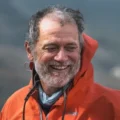

Summit of Aconcagua 3:20 PM, December 30, 2003, 6,962 meters
The view was spectacular! Beside the cross that symbolizes the top of the mountain, I could see all the giant mountains of Chile and Argentina, from the highest part of the Andes Mountain Range. I had fantasized about this moment in my mind for months, and after more than a year of planning and hard training, we had finally made it. But the exhaustion was so great that we weren’t able to celebrate much.
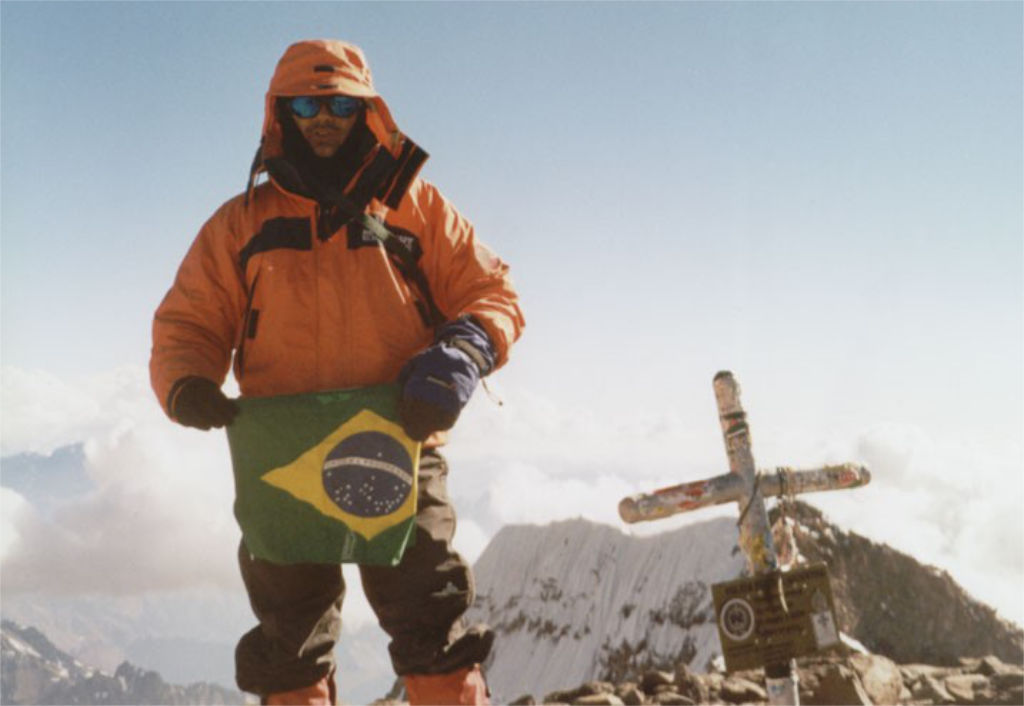
I hadn’t slept for more than two days. I was at the end of my energy, after 11 hours of strenuous climbing, temperatures below minus 15° C and strong winds. We had to think about the descent to our tent at the advanced base camp, called Berlim, at 5,920 meters altitude. Due to our physical condition, it would take us at least 6 hours to be sheltered and inside our sleeping bags.
Myself, Marcio Sartori, both Brazilians, and Kevin Barnett, English, were the only ones who managed to reach the end, along with our guide, Nicolas Plantamura, renowned Argentine mountaineer. The other 7 members gave up along the way, some due to the cold, others due to exhaustion or a combination of both and also due to a series of other factors.
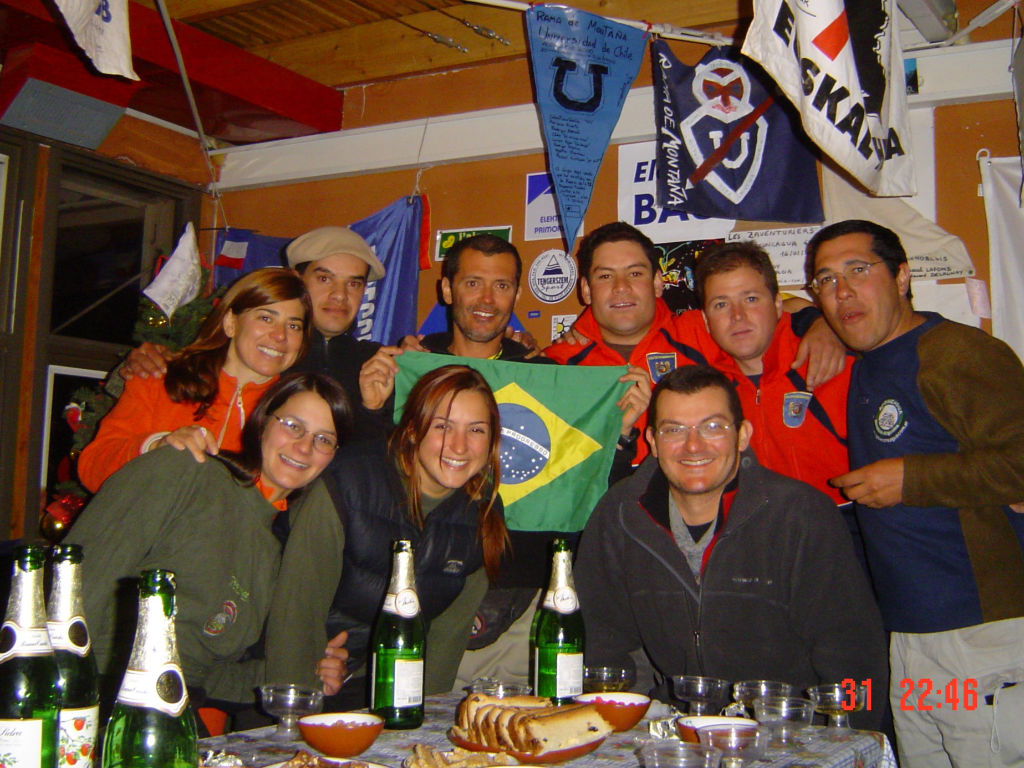
Our descent was done, for the most part, in the dark. But since there was a full moon, the reflection of moonlight on the snow made it easier for us to see the trail. We descended staggering the 1,000 vertical meters that separated the summit from our tent. We arrived at the camp around midnight, in a pitiful state. The process of removing the crampons and boots to enter the tent was herculean. After I closed the tent, got into the sleeping bag, and my body began to return to normal temperature, the feeling was that I was being resurrected. I slept like a rock for 10 hours.
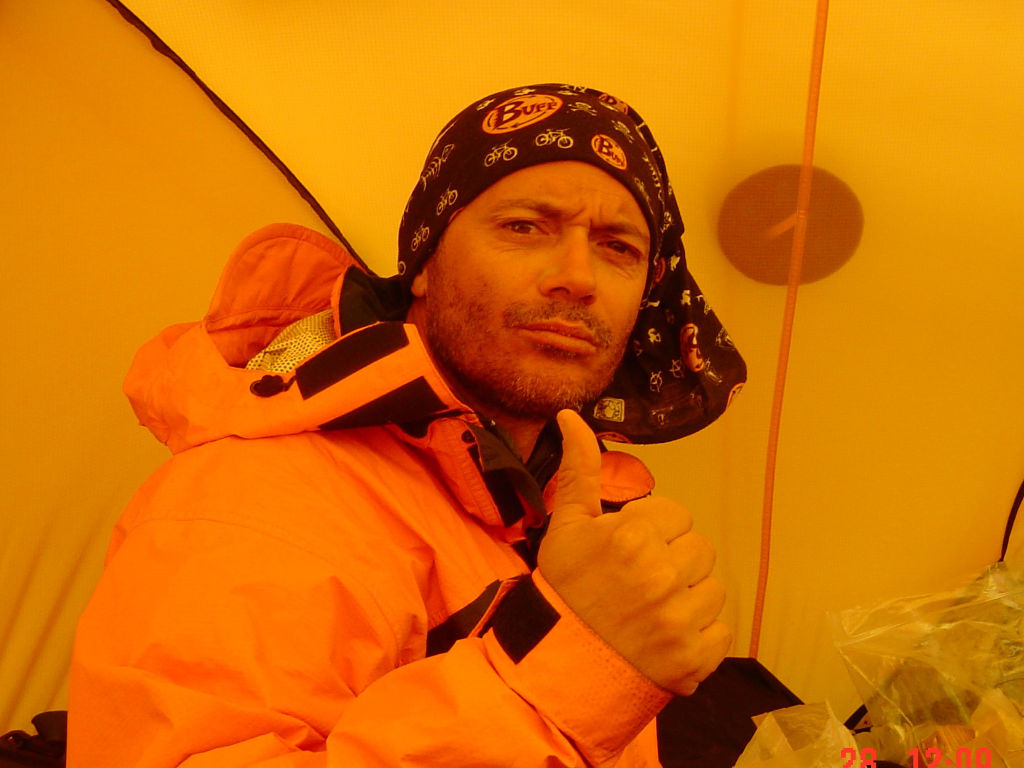
Climbing high mountains has a series of difficulties that, for those of us who live close to sea level, is hard to understand.
We live at an altitude where oxygen, under pressure, enters our lungs without the slightest effort. Near 7,000 meters, the situation is quite different. And to adapt our body to this altitude, there is a technique we call acclimatization.
From 2,500 meters altitude onward, the body is stimulated to develop mechanisms that compensate for the lack of oxygen: the heart begins to beat faster to send more blood to the tissues, and we breathe more frequently to absorb more oxygen through the lungs.
Oxygen transport in the blood is done by red blood cells, and for the amount of oxygen transported to increase, the bone marrow, stimulated by a chemical process, increases the production of these cells. With the increase in cells, the blood becomes denser and thicker, the flow of more voluminous blood through unadapted arteries and veins becomes more difficult, and this causes the heart to have to work more intensely.
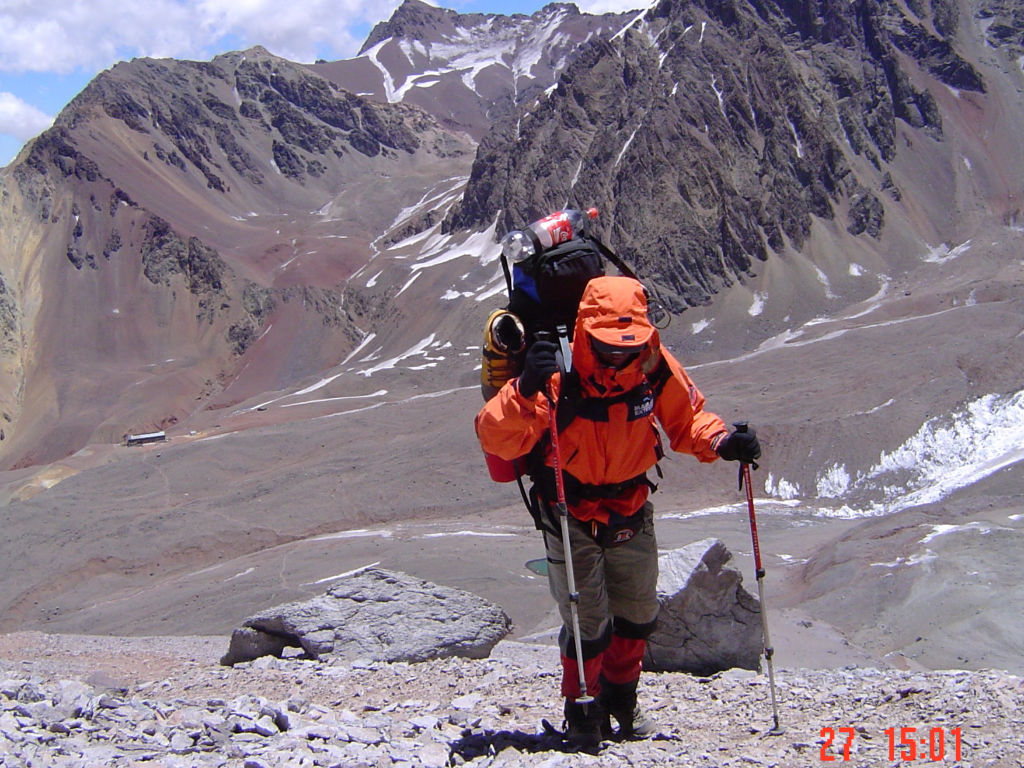
This entire process is slow, takes several days, and varies according to each person’s metabolism. During this phase, shortness of breath, headache, fatigue and nausea are common, until enough red blood cells are produced for the body to adapt to the new situation of thin air.
Some people are genetically predisposed to this altitude change more easily. I met some marathon runners, triathletes, cyclists and aerobically very strong people who couldn’t get past the base camp, Plaza de Mulas, at 4,200 meters altitude. And I also saw some individuals who apparently had half or less conditioning than many so-called athletes manage to reach the summit. Of course they did it with much suffering, but adaptation to high altitudes was not an impediment for them.
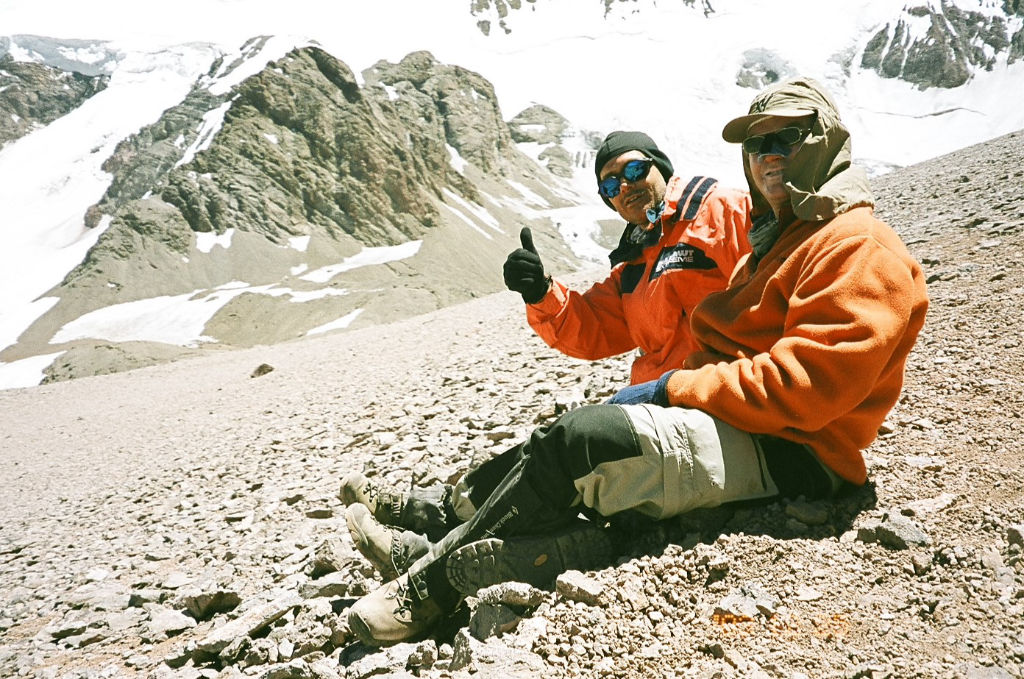
From my own experience, I have the feeling that when we go through this ordeal of thin air, our body develops a response memory, facilitating the acclimatization process.
For those who want to go through this experience, I advise training hard for at least a year, doing weight training for the legs, lots of aerobic exercise and taking hikes with an elevation gain of more than 1,000 meters (the Serra Fina region is perfect for this) at least once a month.
In addition, it is essential to maintain as regulated a diet as possible, seek a nutritionist and a sports physical trainer who understand performing effort almost always at the limit and facing low atmospheric pressure, thin air and extreme cold. It is also necessary to avoid alcohol consumption and everything that can weaken the body (parties, few hours of sleep, cigarettes, ultra-processed foods, etc.).
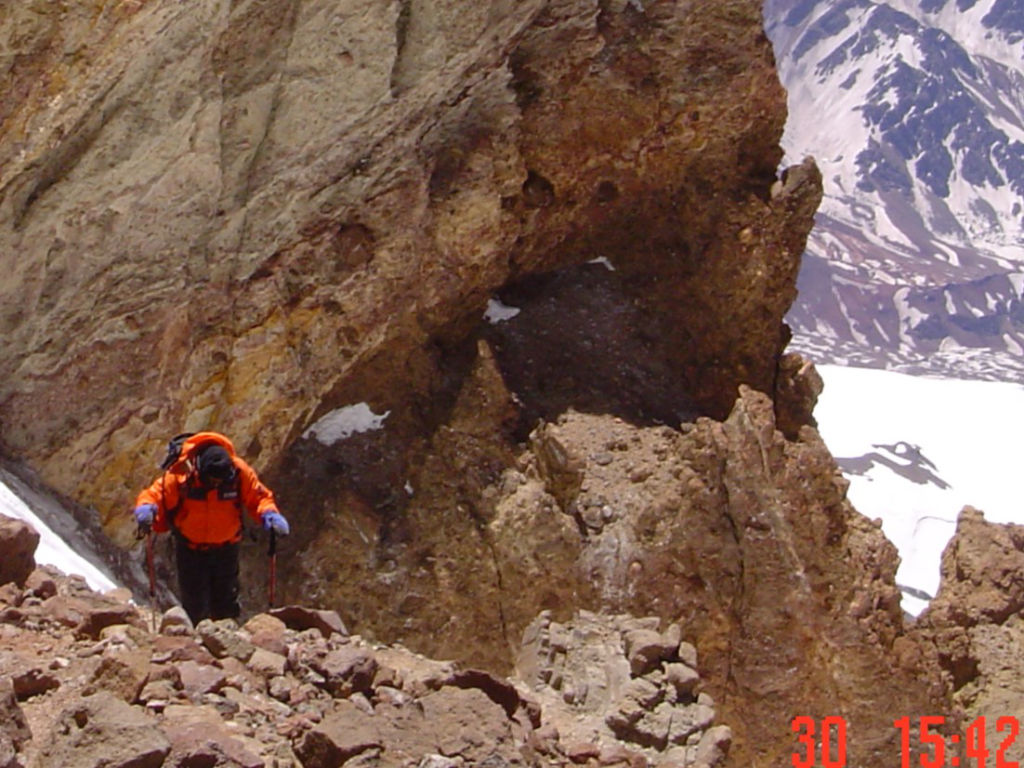
Use state-of-the-art equipment, with maximum quality and the smallest volume and lowest weight possible, and carry out training using all these items to extract the maximum efficiency they can provide. In other words, if you want to reach the top of the highest mountain in the Americas, determination must be proportional to the size of Big A (Aconcagua).
This post is also available in: Português (Portuguese (Brazil)) Español (Spanish)