

Those who are from the old days in the universe of activities in nature certainly feel a certain nostalgia when remembering the Adventure Sports Fair. The largest adventure sports and tourism fair in Latin America – if not in the world! – debuted in 1999. Already in its first edition, it brought together more than 40 thousand people at the Bienal de São Paulo, a surprise for Sergio Franco, one of the event’s creators, now 74 years old.
The objective of the professional and his partner, friend and namesake Sergio Bernardes, who already worked in the area of fairs and events, was to promote the meeting of small tribes that until then were dispersed. However, they left a much greater legacy: they inaugurated and organized the outdoor market in Brazil.
The idea was born after discovering, in 1997, through research, a global trend: the valorization of outdoor life. Sergio Franco identified that this was an opportunity not only for the tourism market, but for the entire outdoor segment chain:
“Many companies already used the spirit of adventure to sell products, like The North Face. The bike and 4×4 markets were beginning to grow, as well as the rafting activity, among others, which was strengthening with various companies spread out. Despite this, people in the ecotourism and equipment market did not know each other. The market was small, but we saw that it had potential.”
One of the first enthusiasts to embrace the idea was Amyr Klink, a frequent personality at the fair. Contacted in 1997, when the idea of the fair was still on paper, the Brazilian navigator was enchanted with the possibility of exhibiting his boat and sharing his stories. Alongside him, over the years, other professionals from various fields and enthusiasts were also able to fulfill dreams.
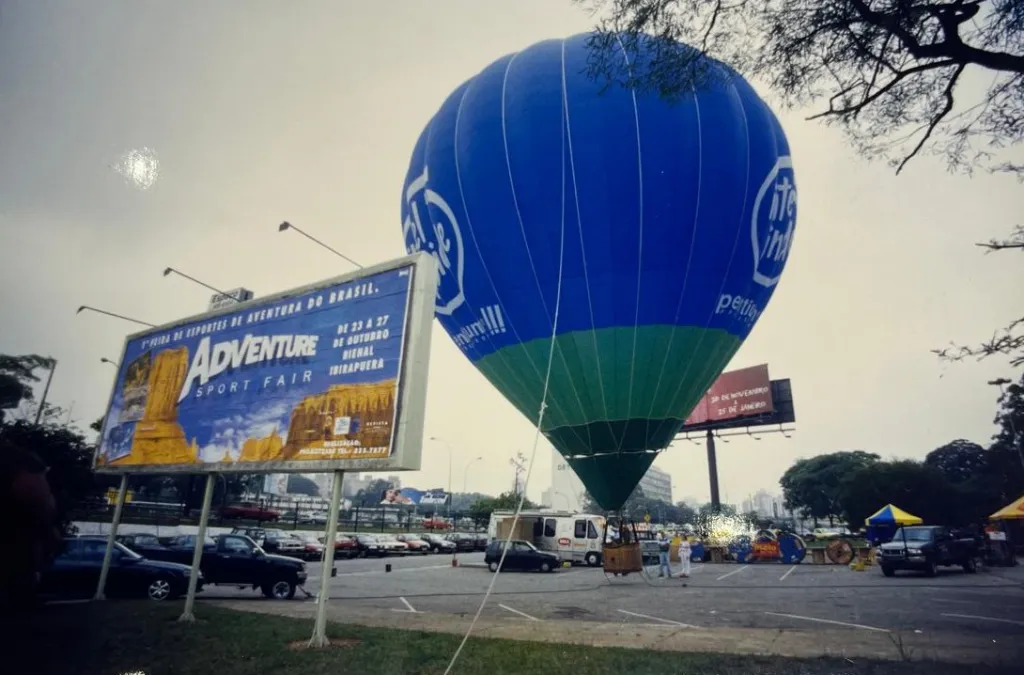
Brazil’s first experience fair
Throughout the 19 editions – interrupted by the COVID-19 pandemic – the Adventure Sports Fair brought the opportunity for companies to speak for the first time with the general public, in a creative way and with unusual actions, in addition to giving visibility so that each group could see the other as a partner and build together the outdoor activities market.
Unlike other fairs, the event offered experiences for those who dreamed of being in nature – whether on land, in water or in the air – but never had the opportunity. A diving tank was set up to offer classes, in addition to tracks for running, biking, skiing and test drives of off-road cars. The space also offered a climbing wall, zip-lining circuit and even the possibility of making a simulated parachute jump. The creative and visibility potential of the Adventure Sports Fair was something never seen before in the country.
The greatest innovation, however, was providing snow experiences in the middle of tropical territory! Based on the idea and collaboration of Argentine authorities, the fair created a kind of “human refrigerator” with ice from Perito Moreno, a region that suffered from melting caused by global warming.
“Two refrigerated trucks were transported by ship for the installation of a giant refrigerator, where people walked on the ice. For four years, we brought 40 tons of ice from Argentina to provide the experience. After the fair, it was poured into the Rio Tietê, in a symbolic action carried out by SOS Mata Atlântica.”
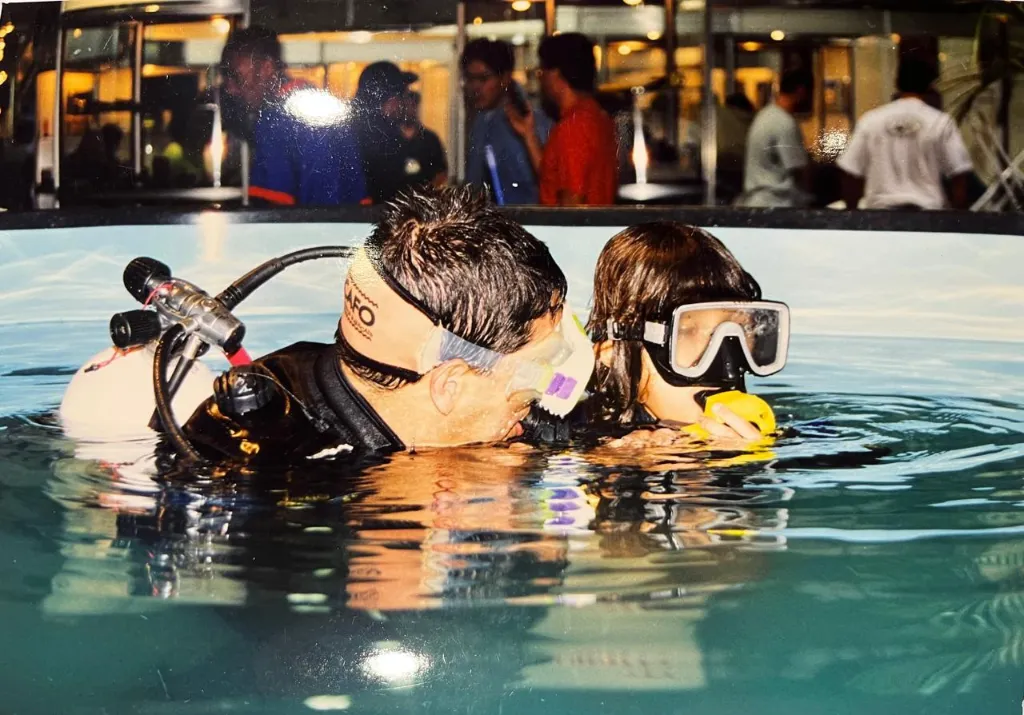
Diving tank at the Adventure Sports Fair
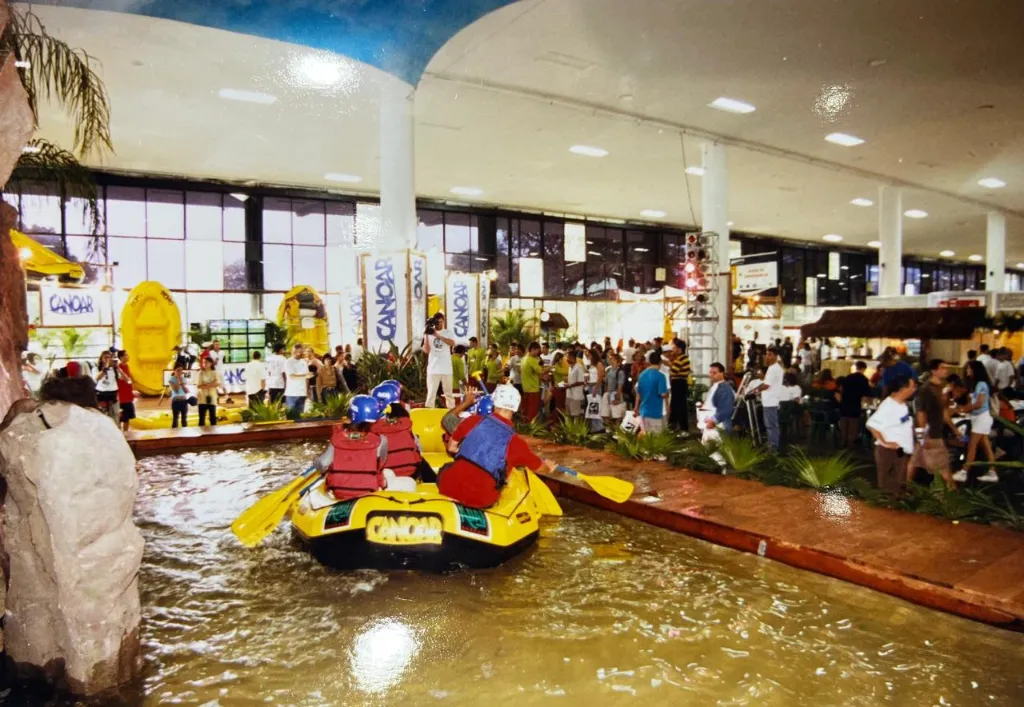
Canoeing experience at the Adventure Sports Fair
In addition to the experiences, the fair featured lectures, equipment exhibition space, clothing for adventure sports, vehicles such as boats, planes, and jeeps, and tourist destinations. All these attractions gathered in a single event took over Brazilian and international media for almost two decades. While television channels provided live coverage, more than 30 partner magazines recorded the repercussion.
ESPN, for example, provided extensive coverage, talking with the best athletes and professionals in the field. The materials were broadcast on ESPN Brasil in a daily program called EXPN, as recalled by the journalist, São Paulo city councilor, and creator of Bike é Legal Renata Falzoni, who also maintained an “Adventures with Renata Falzoni” stand at the fair:
“All this material, and the raw footage that had not entered the daily pills, was edited by me, as a well-edited, fast-paced summary, with the ‘fillet of the fillet’ of what had happened at the fair, also taking advantage of images from the mountaineers and athletes themselves, when the subject was ‘what each one would be up to around the world'”.
Such buzz, in addition to attracting enthusiasts and outdoor activities professionals, caught the attention of other countries, going beyond the initial objective of promoting a national meeting. Sergio was approached to hold editions in countries such as Spain and China. “We said it was the largest adventure sports and tourism fair in Latin America, because we were ashamed to say it was in the world. But there was no equal event.”
Adventure Sports Fair milestones for the outdoor activities market
The Adventure Sports Fair maintained its success over the years, bringing together more and more professionals and practitioners of various outdoor activities. In addition to making tourism, equipment, and other segment companies see themselves as part of a single market that was being born, the fair attracted other organizations that began to visualize a potential market.
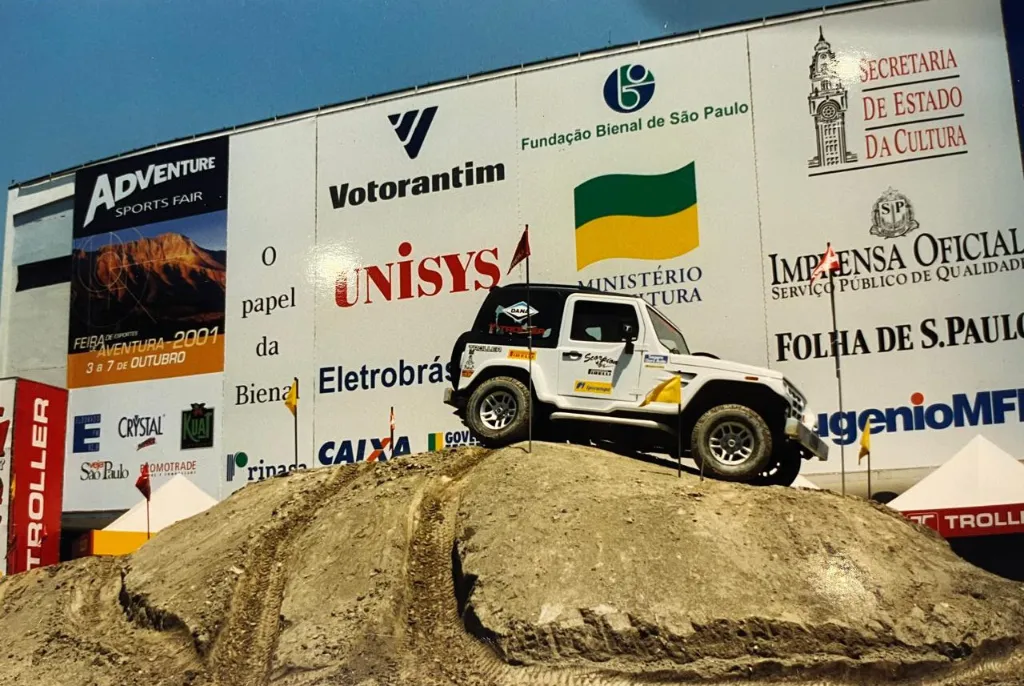
Off-road at the Adventure Sports Fair
5 milestones pointed out by Sergio Franco during the 19 editions:
1. Visibility for adventure races and other modalities: incipient at the time, adventure races, as well as other activities, gained strength in the Adventure Sports Fair editions. Organizers began to see the fair as an opportunity to promote sports and attract the general public, moving from a small niche to win over new practitioners who looked at the modalities from afar and did not imagine they were for them.
“The Adventure Sports Fair begins at a super synchronized moment with the start of adventure races in Brazil, at the end of the last century, with the boom of this type of outdoor sport. The fair manages, especially in the beginning, to bring a very diverse scenario of mountain activities”, says Renata Falzoni.
2. Creation of associations like Aliança Bike: the growth of the bicycle market reinforced by the fair motivated the creation of Aliança Bike, uniting bicycle manufacturers. During the editions, other associations were created.
3. Opening and professionalization of the adventure tourism market: the vision that Brazil was a favorable and abundant destination for the practice of adventure sports awakened the creation of dreams in people’s heads and made them unite. At the Adventure Sports Fair, ABETA (Associação Brasileira das Empresas de Ecoturismo e Turismo de Aventura) began to be conceived to think about the future of the market and the possibilities for its growth, as well as the Aventura Segura project, which created safety standards with international reach, developed by ABETA in partnership with the Ministry of Tourism and Sebrae Nacional, in 2006.
For Renata, this was one of the fair’s great milestones for the outdoor market: “A wonderful and super important side effect born within the Adventure Sports Fair is the Abeta Summit, the meeting of ecotourism and adventure tourism sports operators. The meeting gained strength, changed the market, standardized the activity, and put order in the exploitation of ecotourism as a whole in Brazil.”
4. Promotion of new destinations: at a time when Bariloche was the main adventure tourism destination for Brazilians, the Adventure Sports Fair brought visibility to places like Ushuaia, Salta and Mendoza, which considerably increased the presence of Brazilians in Argentina. The same happened with Chilean destinations.
“We had the role of integrating South American countries and selling them as a single tourist destination, like someone who goes to Europe and visits several countries. A great milestone was when, together with Chile, Argentina, Peru and Bolivia, we made a single stand representing South America at international fairs. Today, Brazil is considered an important destination in this adventure tourism scenario.”
5. Launch of Fiat’s first adventure line: when conceiving the fair, Sergio talked with Fiat executives about the possibility of developing a car with the spirit of adventure. The Palio Weekend Adventure was launched during the Adventure Sports Fair and encouraged other automakers to follow the same path, bringing the spirit of adventure to people’s daily lives.
In addition to Sergio’s memories, the fair played an important role in the launch and strengthening of outdoor activities brands. It was during the Adventure Sports Fair that deuter was launched in Brazil. Pedro Lacaz Amaral, CEO of Gear Tips, who represented the brand in the country alongside Kiko Araújo, recalls that moment:
“We participated in the fair for the first time in 2002. It was the brand’s big launch. Despite being over 100 years old at the time, deuter was very little known in Brazil. Kiko and I had started importing and distributing the brand less than a year before, and we saw in the fair an opportunity to show innovative products to the Brazilian market, both to retailers and to the final consumer. It was a success!”
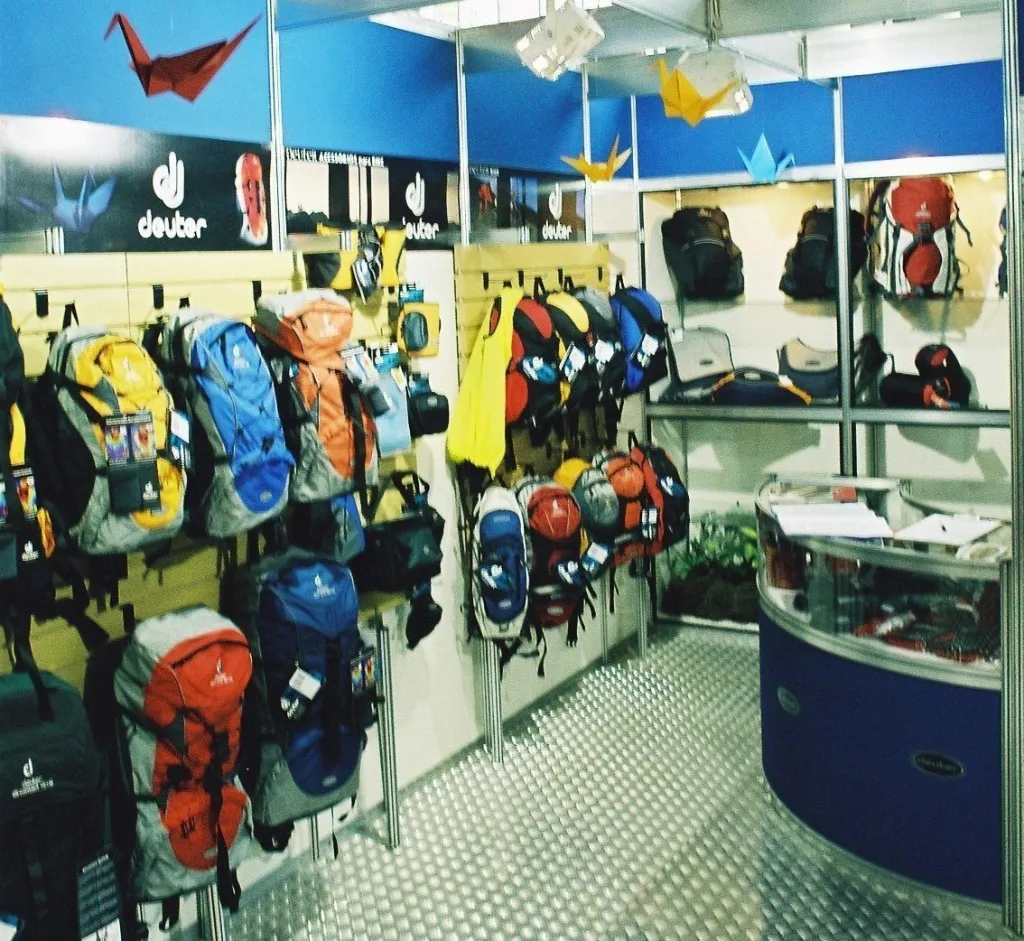
deuter stand at the Adventure Sports Fair 2002
Opportunity for all
Another important milestone was thinking about accessibility in adventure tourism, at a time when the market was not prepared to receive someone with any type of disability and mobility problems.
The Adventure Sports Fair was fully accessible, and everyone could participate in the activities proposed by the fair. In a striking testimony that Sergio remembers to this day, a quadriplegic said that the event changed his life. He began to experience adapted rafting experiences in Socorro (SP), special horseback riding and rappelling with a wheelchair.
The account awakened a sensitive look in Sergio and his brother, José Fernandes, founder of Rede de Sonhos, composed of five hotels in nature. Together, they began to develop adventure activities at Parque dos Sonhos, such as rafting, horseback riding, zip-lining and rappelling.
Environment: Brazil’s first sustainable fair
The fair also played an important role in highlighting, through experiences and actions, the importance of caring for the environment, at a time when concern for sustainability was beginning to emerge.
The Adventure Sports Fair was the first Brazilian sustainable fair. At the time, according to Sergio, an average of 20 tons of waste was calculated in event assemblies and disassemblies. Once again, creativity was put into practice.
“We had the opportunity to connect with Mario Mantovani, who worked at SOS Mata Atlântica, and saw in the fair an opportunity to talk about the environment in a playful and educational way. Paula Arantes, committed to the issue of waste recycling, suggested that the fair become a sustainable space. We set up an area in the center of the exhibition space where all the waste was pressed and transformed into works of art. After that, a municipal law emerged establishing that all fairs should be more sustainable.”
Building a legacy that crosses generations
At 74 years old, Sergio Franco continues working with his brother in the hotel chain, involved with activities in nature. With a valuable history in the outdoor activities market, when looking at his trajectory, he gets emotional:
“My greatest merit was allowing the ideas of these dreamers to have a space for discussion and to show themselves. When I look at the past, I don’t feel like the owner of the fair, because it was made from the union of a bunch of dreams. It was much bigger than I imagined and much more exciting. When you believe it is possible, you move forward.”
Today, his reflection revolves around the importance of the market for the generation of young people, at a time when screens have taken over their lives. He shares this concern with all outdoor activities professionals:
“I’m startled when I hear young people say that their lives are an adventure that happens on the computer. Of course, the world also evolves through contradictions, but this, at some point, will generate the need for a return to nature. I ask myself: what is my role in this process? We all have to ask ourselves. Activities in nature will have an even greater importance in the future.”
This post is also available in: Português (Portuguese (Brazil)) Español (Spanish)