

It was Christmas season when I left alone for the Amazon to spend a week immersed in a community 70 km from Manaus (capital of Amazonas State) without my 15-year-old daughter. That was my second experience without her – when Manu was 9, I went to Chapada dos Veadeiros (Goiás), a trip that lasted ten days. Both experiences allowed me to reconnect with my essence and individuality.
Like me, other mothers seek in nature a refuge for self-knowledge, overcoming challenges, fulfilling dreams, and leisure. But behind this opportunity, we often face questions like: “Who did you leave your children with?” “Are you going to stay away from them for that long?” – which make us carry a kind of maternal guilt. A burden often imposed by society, which believes we cannot step away from our role as mothers to live experiences that are just for ourselves.
Laila Mantra, who began practicing outdoor activities at 30, when her children, Breno and Cadu, were 6 and 5 years old, knows this feeling well. “Many people don’t understand what we feel when we’re in nature, and they would question how I could leave my children behind. Some called me brave, but I felt judgment behind that apparent admiration.”
Laila’s first experience without her two sons was on the Camino de Santiago de Compostela. At the time, she was married in an abusive relationship and deeply depressed. She bought a backpack in December and, in May, left for a 34-day solo journey.
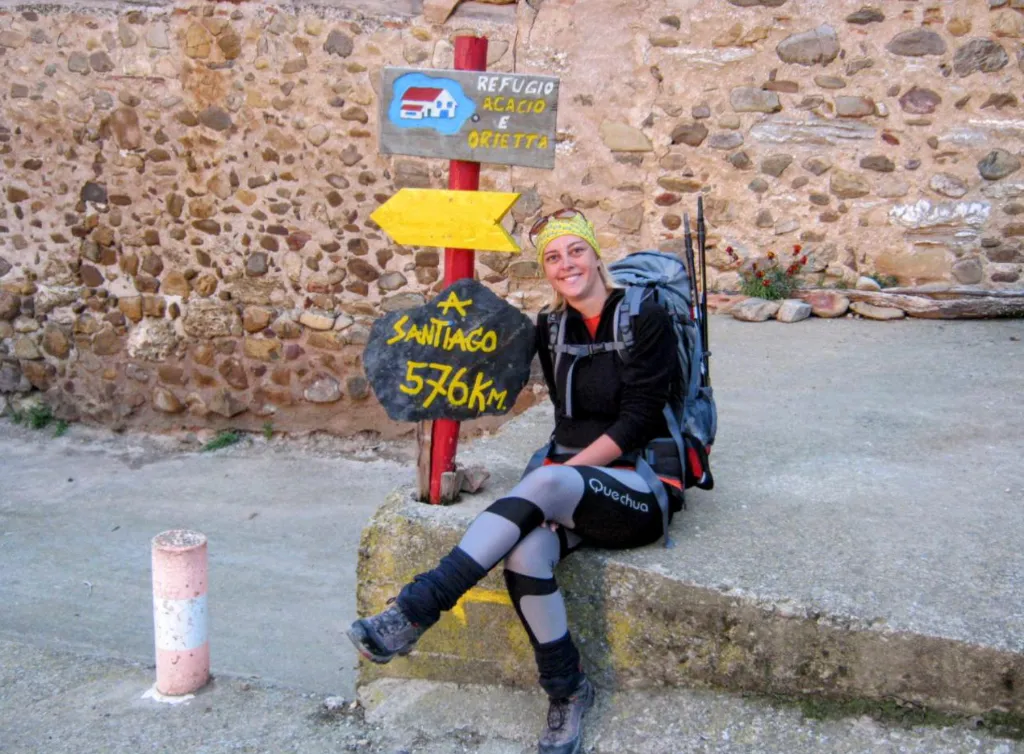
Laila on the Camino de Santiago
Spending Mother’s Day away from her children was an even bigger challenge. “It’s hard to deal with society’s criticism. I was in a process of rediscovery, of understanding who I was and what I wanted. My soul craved freedom and contact with nature. I was very happy on the Camino. I came back transformed, got divorced, and changed careers.”
Laila says she carried the guilt of doing that journey alone for many years – she only overcame it during a 45-day trip to Africa, with the goal of reaching the summit of Kilimanjaro. Before departing, her younger son, Cadu, gave her a series of rolled-up notes. Each had a number corresponding to a day of the expedition.
“He asked me to open them in the right order. I get emotional remembering the daily messages of support. On summit day, the note said that even if they didn’t know whether I had made it, he and his brother were proud of my journey and the woman I had become. That day, I realized what mattered most was the pride they felt for me, not outside judgment.”
The admiration was so strong that today, Laila’s youngest son works with her at the tourism agency she founded years after the Camino de Santiago, Mantra. “If we don’t pursue what makes our heart beat faster, how can we inspire the people we love the most – our children – to do the same?”
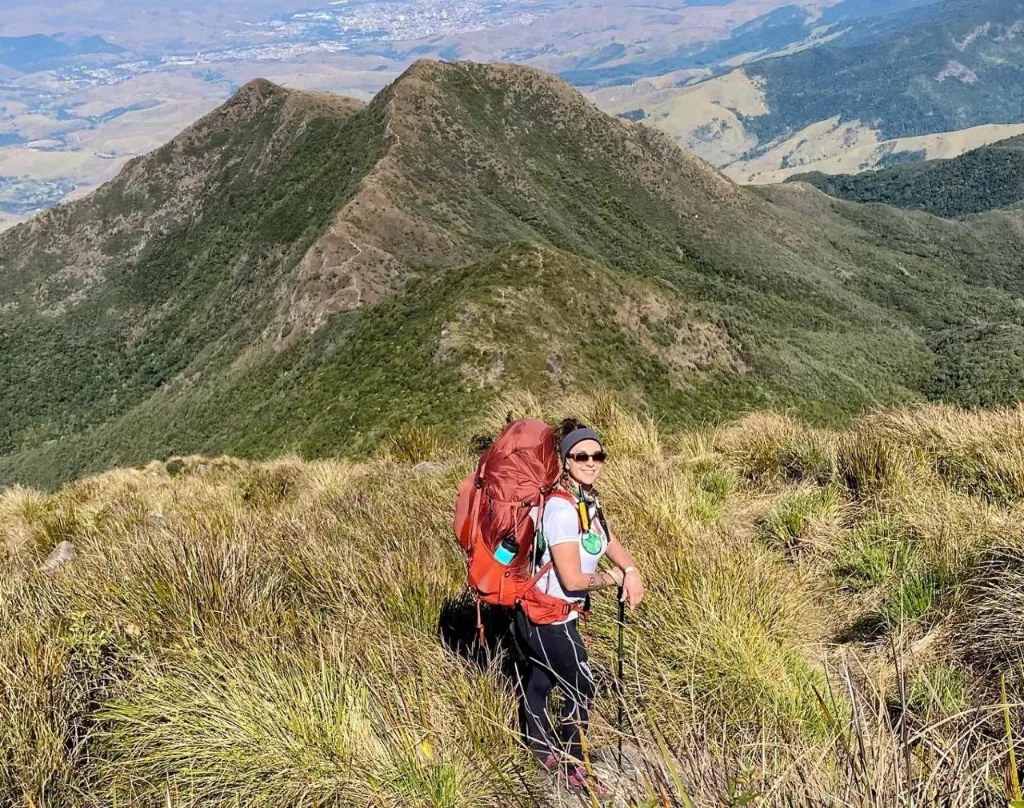
It is in nature that Laila finds the strength to do what is necessary while she’s present with them. “The connection with the mountains, the feeling of freedom, and especially the certainty that I inspire and take other women to do the same is what transforms my life – and theirs. It’s essential for my mental health to leave a city like São Paulo and deeply connect with nature.”
‘Happy mothers raise happy children’
During her childhood, Leticia Mantovani used to camp with her parents and visit her grandmother’s countryside home. Her experience with nature continued through adolescence and adulthood.
A chef, digital designer, and mother to 13-year-old Alice, Leticia began hiking alone when her daughter was around 6 years old. “In the beginning, I felt not only the weight on my conscience as a mother, but also the weight society placed on me. But I believe that happy mothers raise happy children. Hiking is what connects me to myself and to nature,” says Leticia, who also enjoys bike packing.
Although she takes Alice on some hikes, Leticia reserves some destinations to go solo – which her daughter understands well due to their good communication. At first, Leticia, already divorced, had support from her ex-husband, who always encouraged her. After his passing, she began relying on her mother. “I had to help her understand that this is my way of living life since she comes from another generation.”
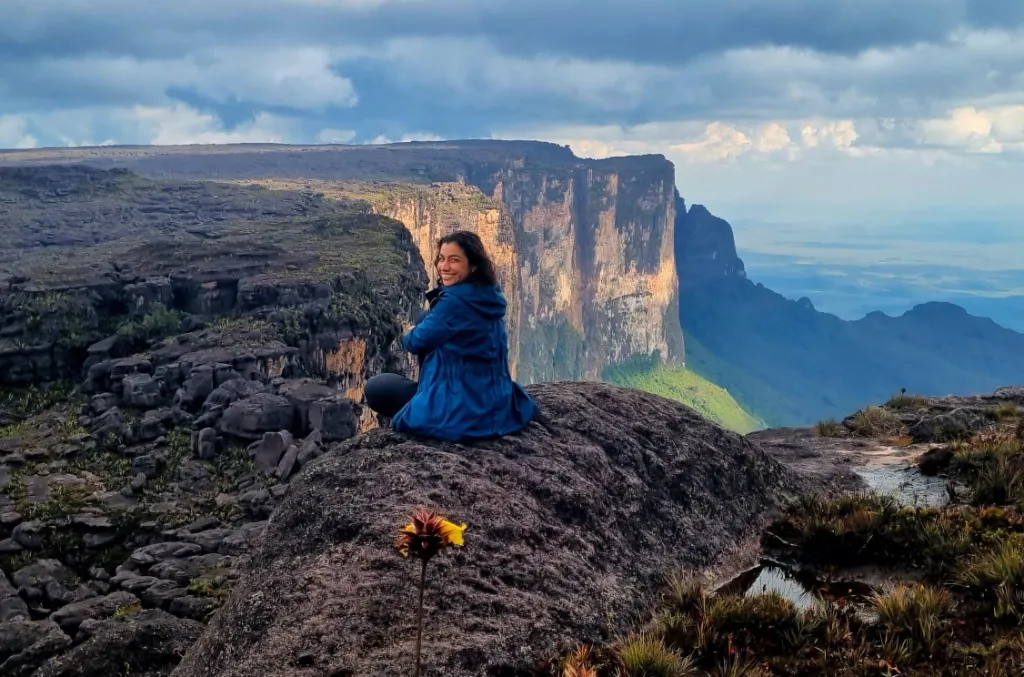
Leticia
Among Leticia’s solo outdoor activities are almost all the trails in Itatiaia, Trilha do Ouro, Serra da Canastra, the Lapinha–Tabuleiro crossing, among others. “Three years ago, I gathered the courage to do longer ones, like Monte Roraima, where I spent a week with no contact with Alice. At first, I was worried, but then I realized it was my time and that she was well cared for by my mom.”
Even though she already knew how important solo time in nature was for her, after her ex-husband was diagnosed with cancer and her grandmother passed away, Leticia began to value even more the activities that bring her well-being. “When we postpone things, we end up not living what we really want. Contact with nature has always been my life, and I often say it’s my religion.”
Leticia’s experiences in nature benefit not only herself but also Alice. “I come back to her happier and with greater self-awareness. The benefits are more psychological than physical.”
‘Our life is not just motherhood’
For Renata Kuntz, a pediatrician and mother to Heitor (12) and Celina (3), traveling without her children is a way to pause the stress of everyday life and an opportunity for personal growth.
“The connection with other people, places, and cultures – which I often don’t have access to when I’m with them – brings enormous personal growth. We have the chance to learn new customs, stories, and communities. That touches and inspires me.”
Renata often has nature experiences with her children – Heitor has already joined her in Monte Roraima and Chapada dos Veadeiros – but once a year, she travels alone. Her first solo trip was to Salkantay, in Peru, in 2019. “That’s when my post-motherhood journey began, and I understood that I could do it without them. It was symbolic and powerful. Even while away, I knew I could bring back something positive for him.”
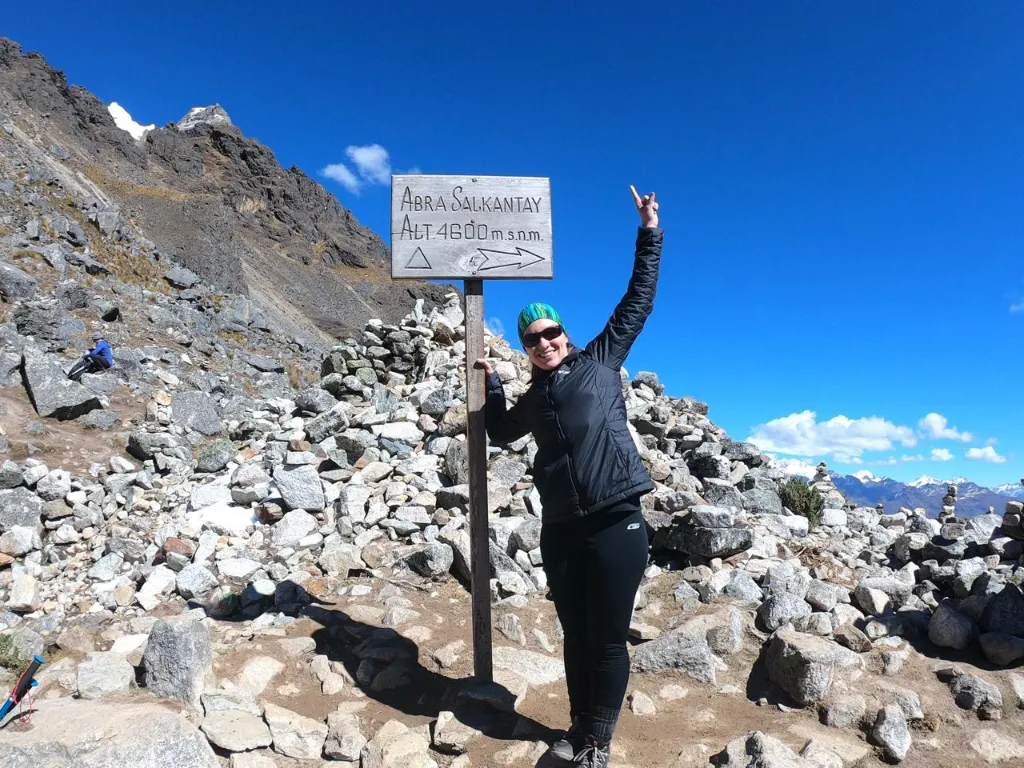
Renata
Since then, Renata has completed the W Trek in Torres del Paine, Patagonia, visited Mendoza, completed the Petrópolis–Teresópolis crossing, joined expeditions in Chile, and is preparing for a 13-day trip to Chamonix, France. “Our life is not just about motherhood and work. It’s important to be well in order to care for our children and pass on good things. I always return stronger from outdoor experiences. It’s a moment of connection and of reigniting what’s inside me.”
In her case, her parents help take care of the children. “I live in Paraná and they live in Rio. But they’re able to come and stay with the kids while I’m away. I also have the support of caretakers who help with my busy work routine.”
As a pediatrician, Renata emphasizes that childhood needs nature and leaves a reflection: “How can we offer this experience to our children if we don’t live it ourselves? We have to feel confident so they can also explore it in the future. With good communication, we can help them understand that in a few days, we’ll return with new stories to tell.”
‘Why should I give up my dream?’
Just like Renata, Fernanda May always took her daughter, Maitê—now 18—on hikes and other nature immersions from a young age. Still, she never gave up on pursuing her dreams of reaching high mountain summits. “Every woman and mother has her own mental challenge, and mine is climbing high mountains.”
Before becoming a doctor and a mother, Fernanda was already a mountaineer. She paused her activities temporarily during her medical residency, but when Maitê was born, nature called her back. “When she was six months old, I started hiking with her on my back in special baby backpacks. At ten months, she climbed Agulhas Negras peak with me and we never stopped. She brought me back to nature quickly and was my partner for many years. We crossed thousands of trails across Brazil.”
In 2015, Fernanda started high-altitude mountaineering. Maitê was 7 years old. Since it’s a high-risk activity, the doctor began this journey alone, heading to Kilimanjaro and other destinations. “At first, she loved it and made little gifts for me to bring. She asked me to take summit pictures with booklets, drawings, and other things she made for me. But when I climbed Aconcagua, she was already a teenager and started to feel anxious. With time, that calmed down,” says Fernanda, who has already been to Bolivia, Peru, Nepal, Alaska, Russia, Argentina, France, and other high-altitude destinations.
Fernanda recalls receiving a tempting invitation to climb Denali, the highest mountain in North America, just when her daughter was about to leave the following month for a study exchange abroad. “I invited Maitê to talk and said: ‘You know Denali is a big dream of mine, just like the exchange is yours. Why do you think I should give up this opportunity if you’re going to live your dream?’ I also told her I’d dedicate the summit to her. When I got there, I made a video that went viral online. We must fight for our dreams.”
Fernanda on the summit of Denali
Fernanda is an inspiration to mothers and women mountaineers, but outside that circle, she faces a lot of prejudice. “I’ve always been told I’m crazy for putting myself at risk as a mother and for spending long periods away from my daughter.”
What those people don’t know is that motherhood made Fernanda a much stronger and more cautious woman. “I became far more concerned with doing things in the safest way possible, always well-prepared to minimize risks. The desire to return home, to be there for my daughter, makes me a lioness.”
For 9 years, Fernanda counted on the support of Rita, who helped raise Maitê. “As a doctor, I had a time to leave, but never to return. Maitê’s father was absent, and Rita stayed with her when I traveled. My tribute goes to her, who, by the way, always received the best gifts from around the world when I came back—which still doesn’t feel enough for what she did for me.”
Alone in nature, they follow their own paths
Ruri Giannini is an engineer and mother of twins Ruth and Isaac, currently 14 years old. She started hiking in college and never stopped. Over the years, she invested in gear and started training more seriously.
Since the kids were 2, Ruri has kept the habit of traveling alone, especially during her vacation time, and she also plans ahead for high-altitude seasons. “When I’m alone, I can go on a longer trip. Some places aren’t feasible to bring them along, especially for financial reasons. Besides, I need that time to rest. When we’re with our children, we’re constantly thinking about their meals and schoolwork.”
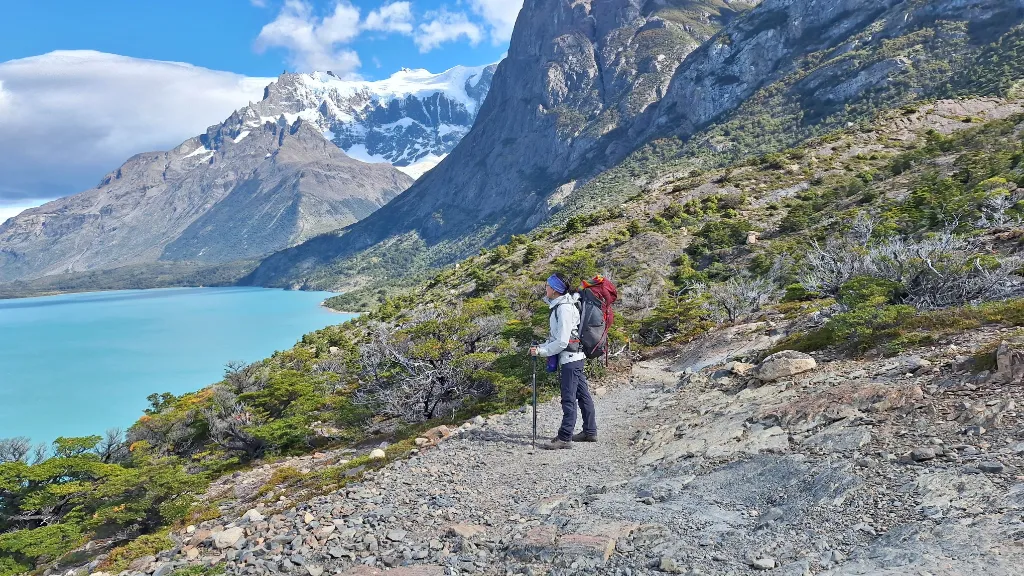
Ruri
While she goes into nature, her children also go on adventures at a camp they’ve attended for years during school breaks. They also go on some hikes with her. “We’ve always done trails together and that’s still an option, but the energy is different. Many times, I just want to take care of myself without a routine. Recently in Patagonia, I left at 4 a.m. to hike and watch the sunrise. That’s time I have just for me, without having to manage anyone,” says Ruri, who has hiked in various mountains in Brazil and abroad.
For lawyer Carla Milioni, who is on the legal board of the FEEMERJ (Federação de Esportes de Montanha do Estado do Rio de Janeiro), being able to go at her own pace is liberating. “With kids, the pace is different—we choose shorter distances and easier trails. When I’m alone, I push myself more and set my own rhythm, which makes the experience more enjoyable. It’s therapy. I feel like I reconnect with myself,” says Carla, who recently visited the Agulhas Negras mountain region in Itatiaia.
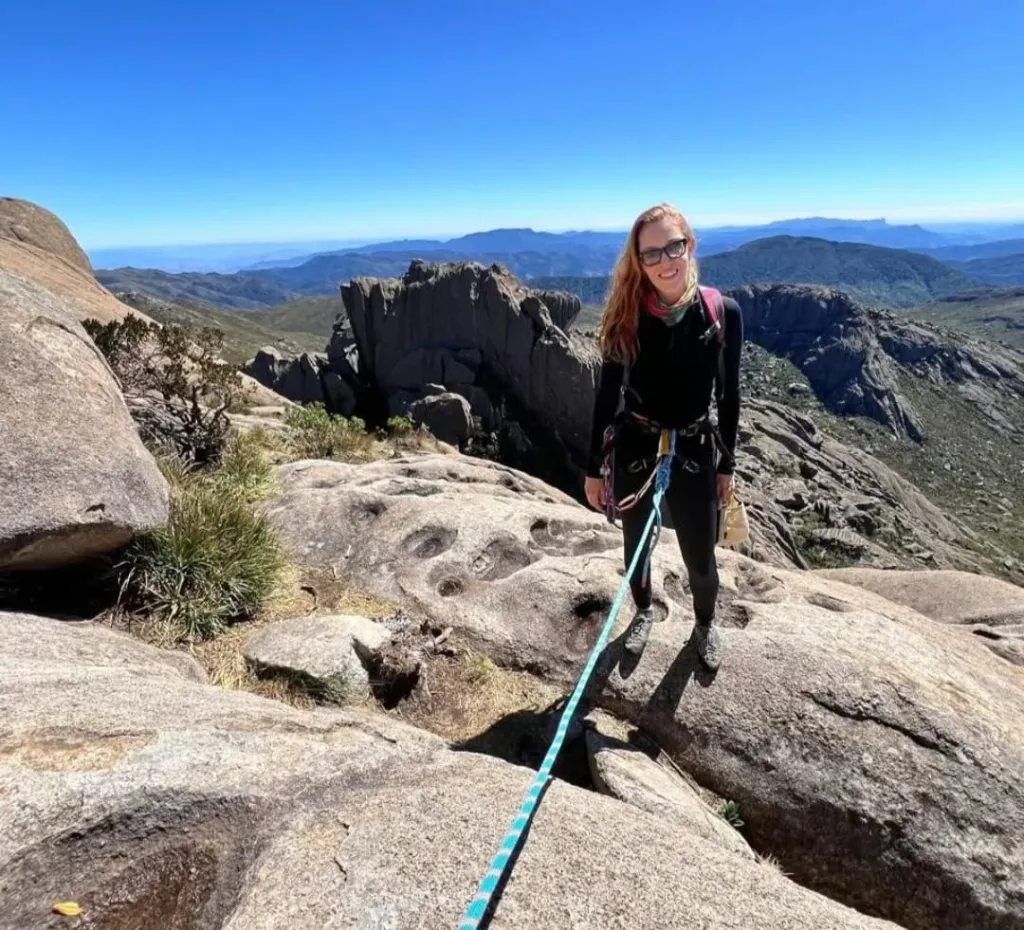
Carla
Mother of 5-year-old Beatriz and 8-year-old Sofia, Carla spent her childhood in rural São Paulo connected to nature. As an adult, she moved to Rio de Janeiro, joined the Clube Excursionista Carioca, and fell in love with climbing. She also married a mountaineer. Naturally, her daughters were introduced early to the world of hiking and became companions—but they also learned to spend time away from their mother.
“When my oldest daughter was one, I went to Spain with my husband and we hiked several trails in the Pyrenees for a month. We had just come out of a very stressful period—she had a lung issue at four months old and was in the ICU. It was a very hard time. When she stabilized and was well, I needed to take care of myself. The first year is tough for every mom, but it was especially intense for me.”
Carla says she was still breastfeeding and coordinated a “war plan” with her mother, in-laws, and two nannies to make her trip possible. “It was a liberating moment for me. While I felt guilty, I also felt very happy. When I returned, miraculously, my daughter nursed again—and continued until after age two. The trip didn’t harm her childhood in any way. Today, I encourage my friends to do the same.”
Welcoming our maternal individuality
Motherhood is a deep commitment, but stories like these remind us that we are whole women—with desires, boundaries, intentions, and dreams. Regardless of what leads us into nature without our children, the truth is this: we need it. Being alone is not abandonment—it is presence with ourselves so we can later be more present with our children. Cultivating our individuality is therefore an act of love and respect—for us and for them.
I invite you to try it!
This post is also available in: Português (Portuguese (Brazil)) Español (Spanish)