

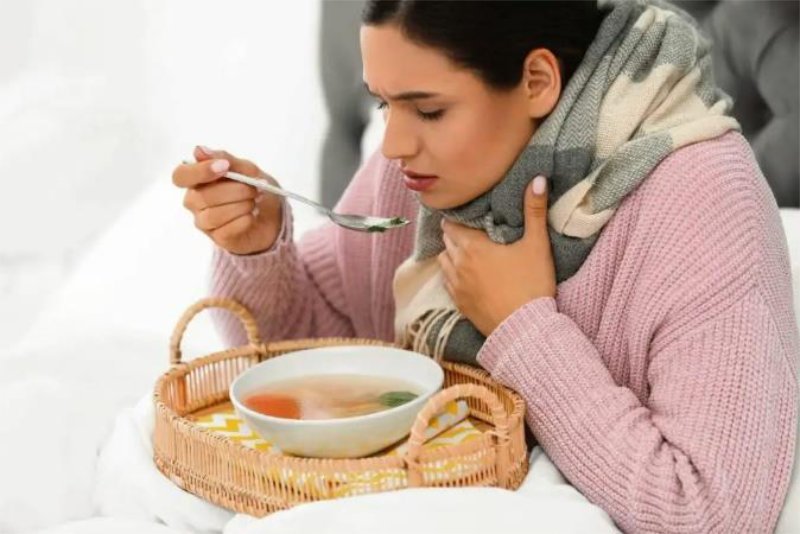
A tradition that can be said to be millenary is the use of soup as an excellent food to calm, warm up and nourish, especially when one is in a situation of illness or stress, situations in which the food of the day ends up not being very acceptable. But its culturally established use can be harmful to health and physical performance when applied to various situations in the wrong way.
Generally, soup recipes are based on foods such as pasta, potato, peas, lentils, cassava, corn, rice, Peruvian carrot, etc. Combined with some type of protein, such as meat, eggs or cheese, and sometimes some more chopped vegetables. And its main characteristic is having a broth consistency and containing a good amount of water in its composition.
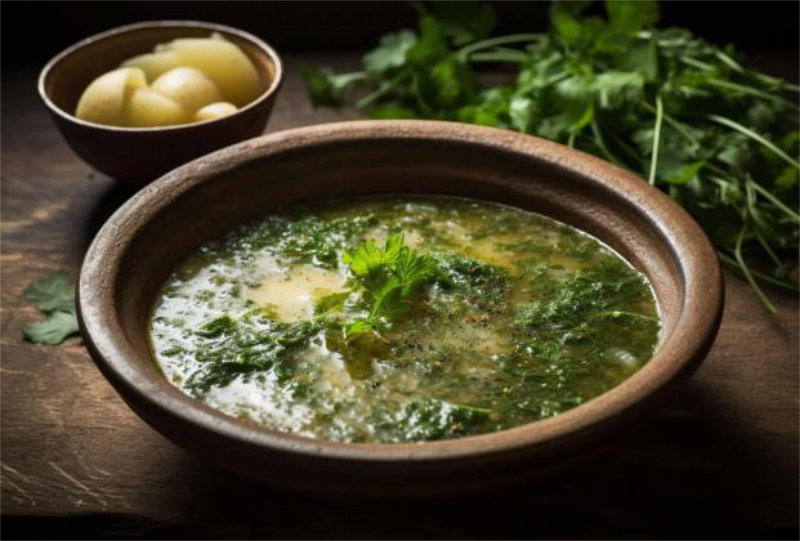
The fact that soup contains a lot of water and its components in the form of broth and/or small pieces ends up facilitating digestion, which is interesting to help with the ingestion of a meal in various situations or by choice in relation to comfort/preference.
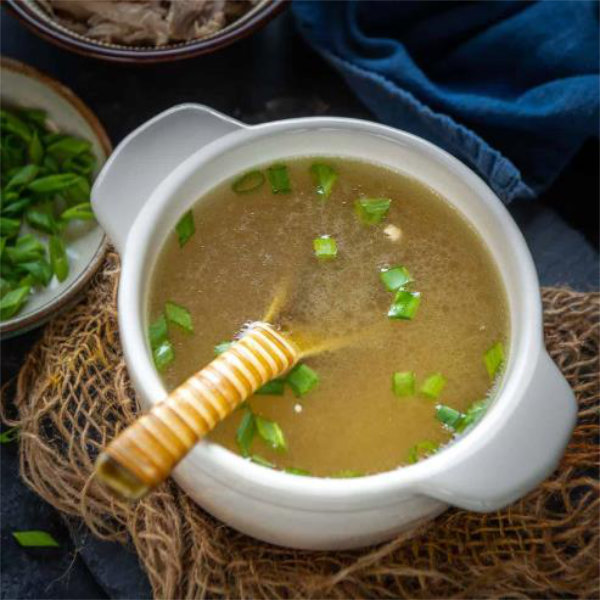
These characteristics of soup also make it a choice for eating in cold environments, and when quick digestion is needed. A great example of this use is in altitude mountaineering, where temperatures are extreme and due to bodily fatigue and excessive effort from the difficulty in breathing, soup becomes a very pleasant food for this situation.
Soup in the sports environment
However, the use of soup also generates some problems/concerns when it is applied both in the sports environment and in cases of illness, problems that relate to its nutritional density. Nutritional density corresponds to the analysis of the amount of useful nutrients per volume of food ingested. And this fact is a concern precisely because of the amount of water and the choice of foods in its composition. These characteristics of soup bring a high volume and in most cases a low amount of nutrients within that volume. This culminates in the difficulty of necessary nutrient intake for the body to nourish itself and/or recover from a certain stressful situation.

Therefore, foods and their uses have a great mythology, and often their use is not analyzed, and ends up being employed due to cultural factors, habits and information from popular knowledge. But if these foods are applied in hostile environments, or situations of stress, physical, mental or health-related, it is always necessary to evaluate the situation well and adapt it to the objective, so that its use is not negative, but rather helps to achieve it.
This post is also available in: Português (Portuguese (Brazil)) Español (Spanish)